Gyekis ForestryKerry Gyekis, consultant forester

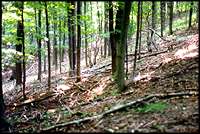
Sawtimber-sized black cherry stand with numerous indications of stress appearing. An option might be to perform a "salvage cut" of the weaker trees in the stand. It could also be the time to reproduce this valuable timber species by opening up the canopy (black cherry is not shade tolerant) and perhaps even fencing to alleviate deer browse problems.

Back to top
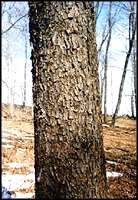
large commercial grade black cherry tree
commercial grade black cherry

Old strip mine scars. The original soil has probably been removed. Introduction of wildlife food and cover species could make this a productive area. Also, plantings such as black locust would improve soil by introducing nitrogen.

Back to top
forestland reclamation on mine site
old strip mine

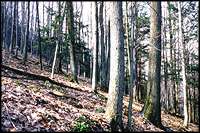
A mature mixed oak/northern hardwood timber stand. Is it time to be harvested? But there is no quality regeneration taking place. A harvesting option might include leaving spaced large trees of each species to ensure a future seed source. Post-harvest deer fencing combined with seedling plantings in the logging debris will prevent deer from decimating the small seedlings. Introduction of food and cover species could also be an alternative here.

Back to top
mature oak and northern hardwoods forestland
mature oak / northern hardwoods

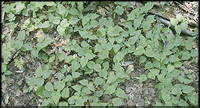
Plenty of 1st year maple seedlings on the ground under a hard maple (sugar maple) dominated canopy. But there are no large seedlings or saplings surviving. Possible causes include severe shading by the upper canopy and high deer density, etc. A "release" cutting will leaving much debris for "cover". Again, deer-fencing might be an alternative.

Back to top
maple seedling regeneration
maple seedlings

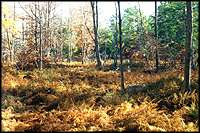
Fern aggression and rampant beech scale. Here we have a combined problem of a beech forest which is dying as a result of the beech scale (insect and fungus) attack as well as a dense fern population which is swiftly taking over and preventing tree regeneration.

herbicide spraying or controlled burning are both possibilities to decrease the thick fern growth. The largest question is what to replace the beech with? Plantings of other hardwoods? Are there other seed sources or seedlings of other viable species already there?

Back to top
managing aggressive fern groundcover
aggressive fern and fungus activity

Storm blow-down. Is it worth harvesting? Should it be left for cover/food and to help regeneration of tree species? Will cutting other standing trees around the blow-down only make the more open stand more susceptible to further blow-down?

Back to top
storm damage in a forest
storm damage

Herbaceous wetlands. Wetlands are important for cleansing water, absorbing run-off, and offering habitat to specialized birds, amphibians, and mammals. Introducing and encouraging quality native wetland species may be the answer here.

Back to top
herbaceous wetlands
herbaceous wetlands

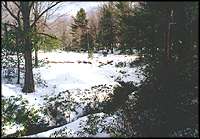
Stream-side riparian zones. These "buffer strips" are extremely important. How should you treat these long term to maintain and improve stream/water quality? The water must be kept as cold as possible and unpolluted.

Part of the answer is good tree and shrub cover and not allowing any cutting or moving of equipment within a certain distance of the riparian corridor (depending on terrain and cover).

Back to top
stream-side riparian zones

Northern hardwood stand (sugar maple, red maple, birch, beech). A "release" cut has already taken place here. There is very little natural regeneration above 1st year seedlings. Some attempt is being made here to reproduce by plantings. Is this the way to go? What about deer-fencing?

Back to top
harvesting to release rapid growth
thinning to "release" rapid growth

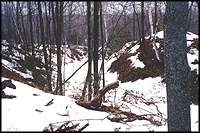
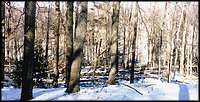
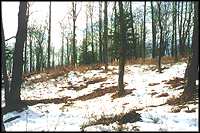
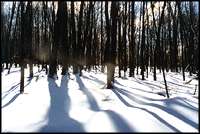
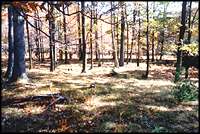
A tranquil winter scene. A pole stand of mixed oak/maple with absolutely no regeneration on the ground.

An option may be to thin the dominant canopy along with leaving much of the thinned material on the ground (to prevent deer browsing and provide wildlife cover).

Back to top
no tree seedlings
no tree seedlings

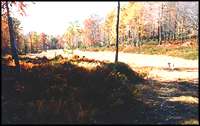
Openings and clearings. Both man made or natural successional. Do you want good hunting or sighting of wildlife species? Do you want to hold those wildlife species on your property?

Good low cover and food species on the clearing's edges are the answer.

Back to top
man-made opening
man-made opening

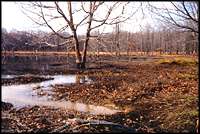
Pond herbaceous cover. A large pond created for wildlife, but with little or no aquatic edges with good cover and food species for wildlife. Likewise the forest edge is open here with no low food and cover species.

The answer is plantings in both situations. This will draw and hold many species throughout the seasons.

Back to top
wildlife ponds
wildlife ponds

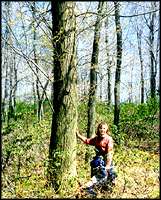
Endangered or rare species. This one is a large American chestnut. How do you ensure their survival and regeneration?

Back to top
rare species
rare species

Hemlock wetlands. Aside from their aesthetic beauty, what are they good for? Water recharge areas? Good winter cover for many species. Should they be cut? When?

Back to top
hemlock wetlands
hemlock wetlands

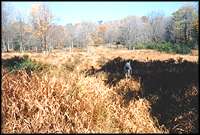
Old burns. In this case the seed sources are gone and ground competition (ferns) is high. Soil is poor. What now? Plantings? Controlled burns? Fertilization? Spraying?

Back to top
after a fire
several years after a fire

Laurel/oak/maple types. Whether saw-timber or small pole stands, there is no regeneration of tree species....only thick mountain laurel. How can one induce change? Thinnings? Spot fencing? "Release" cuttings? Plantings?

Back to top
mountain laurel
laurel ground cover

A mature maple stand, with many seedlings on the ground.

Is it time to cut? and if so, will the seedlings survive? How can we ensure that?

Back to top
mature maple
mature maple stand

A mature oak forest containing a mixed mature canopy and pole canopy. There is no regeneration anywhere other than white pine (the old "climax" species). There is only grass sod.

For future quality forest and better food/cover value for wildlife, what are the alternatives?

Back to top
mature oak
mature oak forest

The effects of shade and deer. Note the deer "browse line" in this photo. Also note that the ground is almost completely open to leaf litter.

What are your goals? Trees? Wildlife? Aesthetics? All?

Back to top
deer browse damage and shade issues
much deer browse and shade

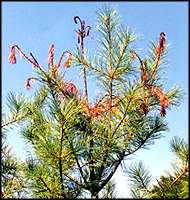
The terminal shoot borer (a beetle). The effects in an open-grown white pine, causing it to "bush out" rather than grow straight up. Is this necessarily bad? Can it actually help if your goal is low cover for wildlife?

Back to top
damage from terminal shoot borer beetle
effects of terminal shoot borer